





Allocation of over ₹29,882 crore under the Samagra Shiksha scheme since 2024-25; expansion of infrastructure and digital facilitie
Government’s reply in Rajya Sabha
The Sunday Mail
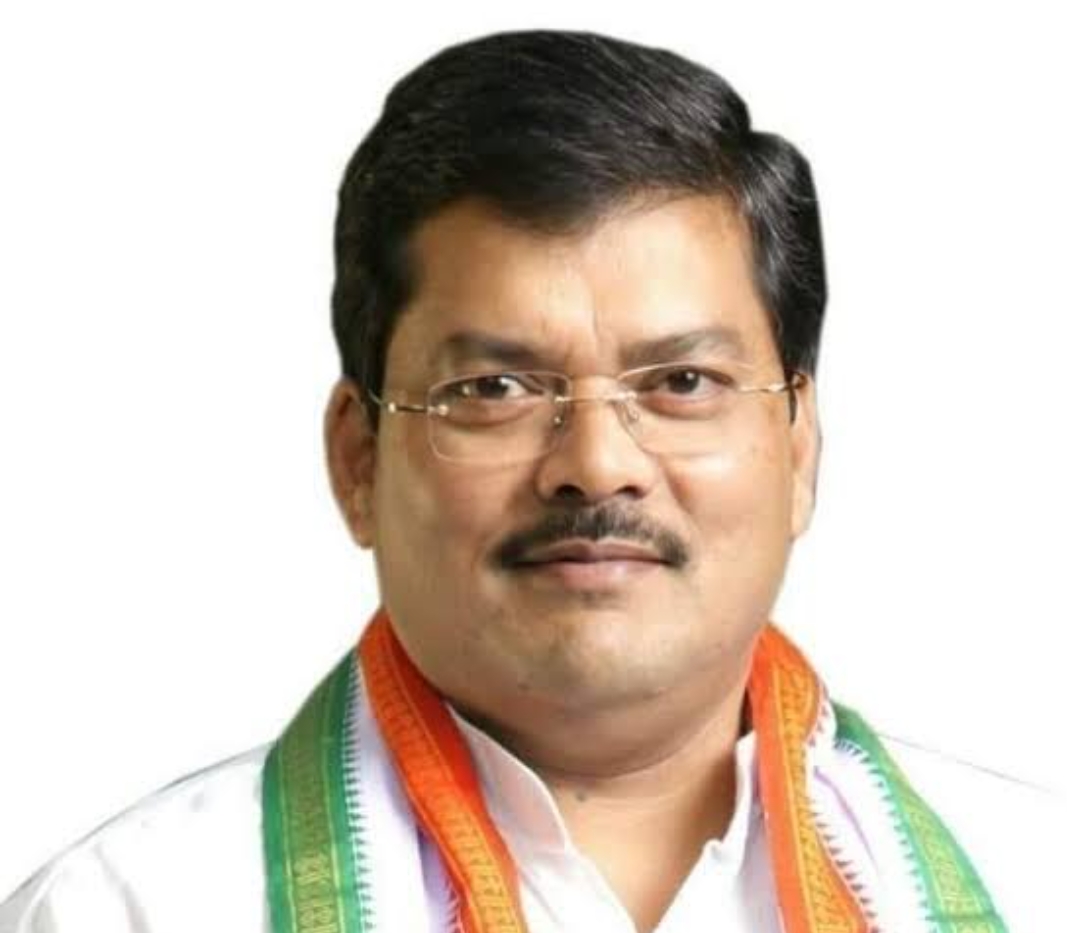
New Delhi. The Central Government has reiterated its commitment to strengthening the quality of and access to education in the country’s educationally backward regions. In a written reply to a question in the Rajya Sabha, Education Minister Pralhad Joshi stated that the government is now focusing specifically on improving school infrastructure, digital facilities, and learning outcomes in the 112 ‘Aspirational Districts’ identified under NITI Aayog’s Aspirational Districts Programme. Responding to a question by MP Mukul Wasnik in the Rajya Sabha, the Minister explained that Educationally Backward Blocks (EBBs) were previously identified under the *Sarva Shiksha Abhiyan*. In these areas, rural female literacy, in particular, was below the national average. Kasturba Gandhi Balika Vidyalayas (KGBVs) were established in these regions for girls belonging to Scheduled Castes, Scheduled Tribes, Other Backward Classes, minority communities, and families living below the poverty line, thereby boosting girls’ education.
Shift in focus of education reforms following the Aspirational Districts ProgrammeThe government stated that following the launch of the Aspirational Districts Programme in January 2018, the focus of education-related schemes shifted towards addressing the lack of basic amenities and improving the quality of education in these districts. Currently, 112 Aspirational Districts across 26 states and one Union Territory are part of this programme. Education-related performance and indicators for these districts are monitored via the NITI Aayog portal. Financial Assistance under the Samagra Shiksha Scheme
The Education Minister stated that financial assistance is being provided to States and Union Territories under the Samagra Shiksha scheme for the development of school buildings, additional classrooms, drinking water facilities, toilets, electricity, internet connectivity, ICT labs, smart classrooms, and other educational amenities. This assistance is sanctioned based on requirements recorded in UDISE+ and the Annual Work Plans and Budgets submitted by the States.
Allocation of Approximately ₹30,000 Crore Over Three Years
To strengthen the education system in Aspirational Districts, the Central Government has allocated approximately ₹29,882.84 crore under the Samagra Shiksha scheme over the past three years. Funds sanctioned include ₹11,512.28 crore for the year 2024-25, ₹12,221.22 crore for 2025-26, and ₹6,149.34 crore for 2026-27 (up to July 2026). These funds are being utilized to develop infrastructure—such as school buildings, additional classrooms, drinking water facilities, toilets, electricity, internet, ICT labs, and smart classrooms—as well as to expand digital education and provide a better learning environment for students.
Boosting Digital Education
The government stated that to strengthen digital education, e-books, curriculum-based digital content, and training resources are being made available to students and teachers through the DIKSHA platform. This ensures that students in remote and resource-constrained areas also have access to quality learning materials.
Teacher Recruitment: A State Subject
The Ministry of Education clarified that the recruitment and appointment of teachers fall under the jurisdiction of State governments. However, through the Samagra Shiksha scheme, the Central Government provides financial assistance to maintain the pupil-teacher ratio and support teacher training and capacity building, thereby ensuring improvements in the quality of education.
Special Initiatives for Deprived Sections
The government also provided information regarding several special schemes aimed at socially and educationally deprived sections of society. Currently, 5,307 Kasturba Gandhi Balika Vidyalayas, 1,238 Netaji Subhash Chandra Bose Residential Schools and Hostels, 500 hostels under the PM-JANMAN scheme, and 692 hostels under the Dharti Aaba Janjatiya Gram Utkarsh Abhiyan have been sanctioned across the country.
Additionally, efforts are being made to provide quality education to students in underserved and remote areas through schemes such as free uniforms, PM SHRI Schools, PM POSHAN, the National Means-cum-Merit Scholarship Scheme (NMMSS), and ULLAS.
The government states that the objective of all these initiatives is to expand access to education in the country’s educationally backward regions, improve learning outcomes, and provide equal opportunities for quality education to all children.