





Suggests External Affairs Minister Should Avoid Such Language
The Sunday mail
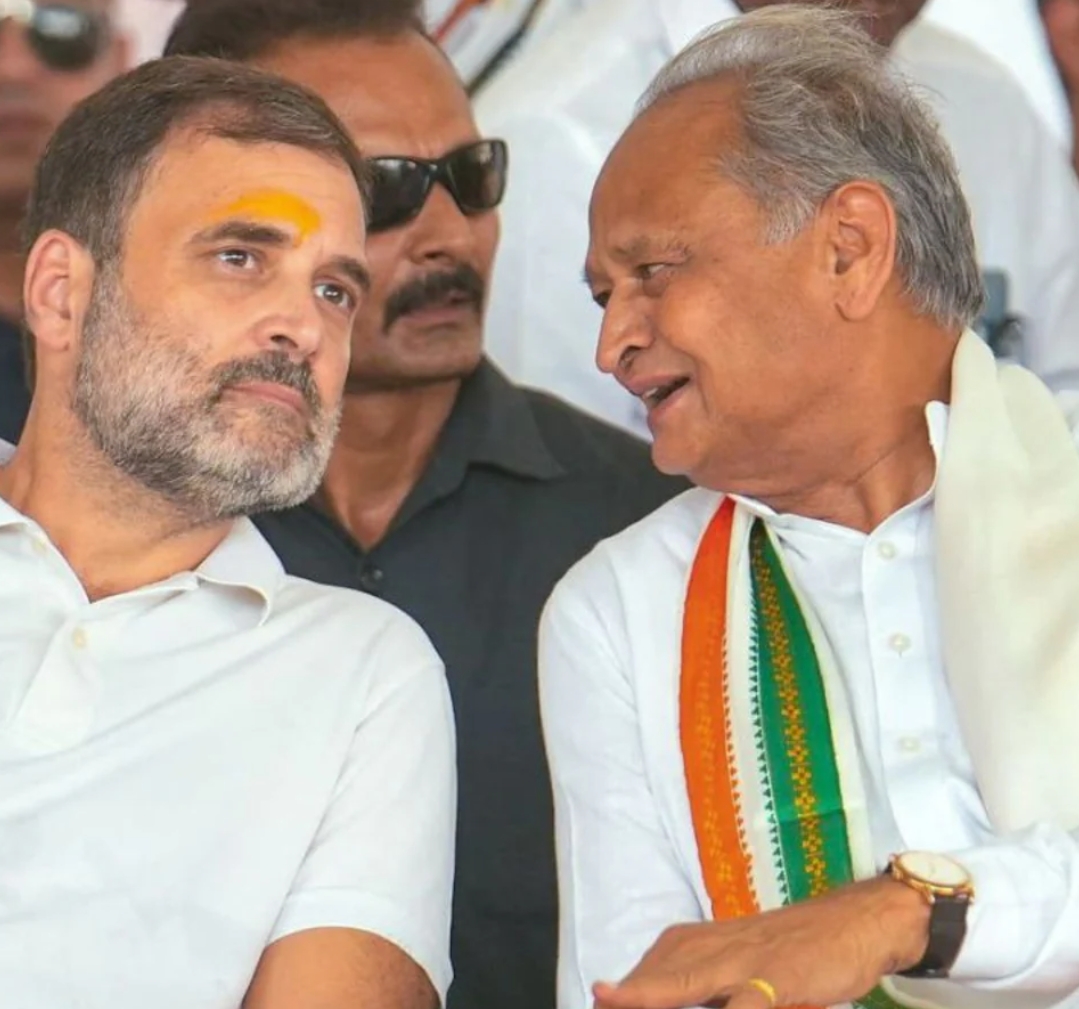
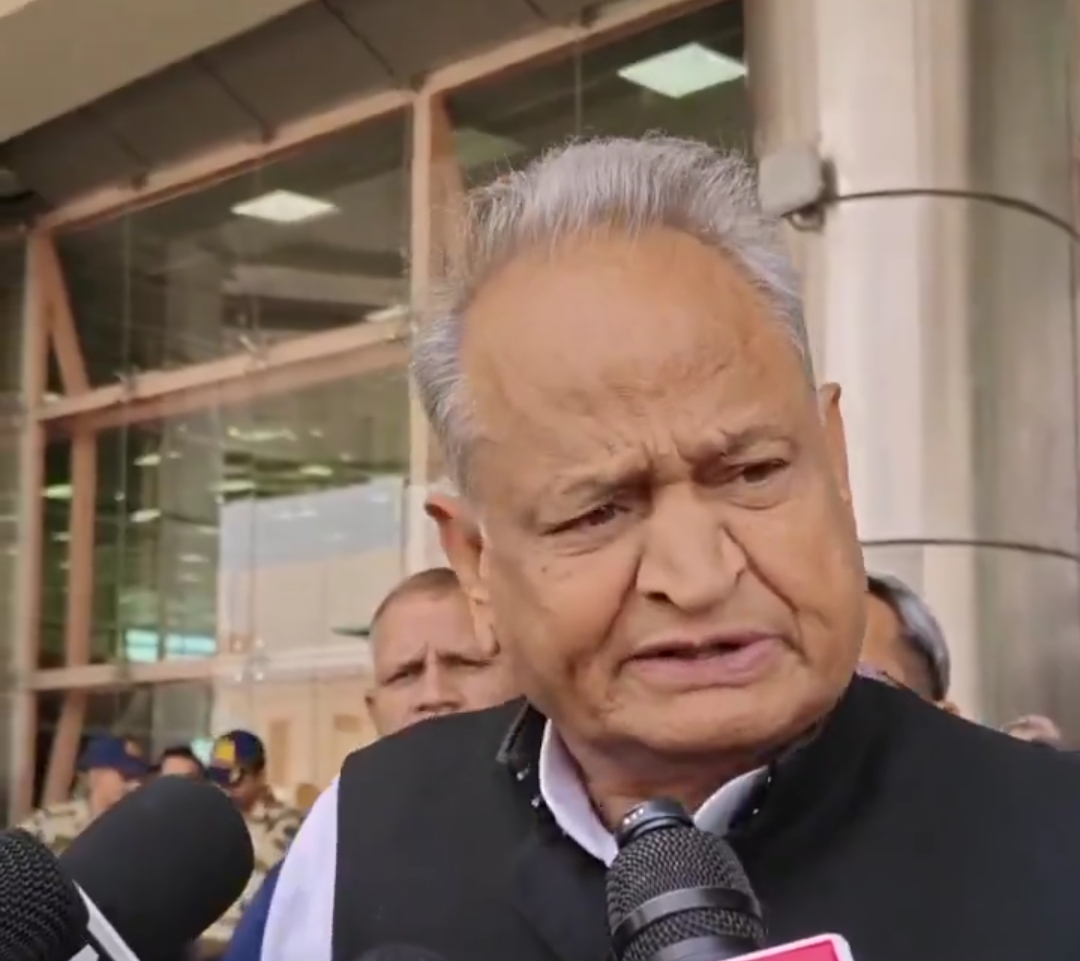
New Delhi: Criticizing External Affairs Minister S. Jaishankar’s remark regarding “brokerage,” the Congress party stated that the Minister should have refrained from using such language. Speaking to the media in Jaipur, former Rajasthan Chief Minister Ashok Gehlot asserted that it was highly inappropriate for the External Affairs Minister to suggest that Pakistan is engaging in “brokerage” concerning the conflict in West Asia.
Gehlot remarked, “I believe that no External Affairs Minister should employ such language when referring to another nation. I do not know what exactly is meant by ‘brokerage.’ I am inclined to think that it might have been a slip of the tongue on his part. If that is indeed the case, it is a different matter, and he should feel apologetic; otherwise, I believe he deserves severe criticism within the country. How can you claim that a nation is engaging in ‘brokerage’? What does ‘brokerage’ even imply? If peace is established among the nations of the world, it is a positive outcome. Violence is, after all, violence; where else is a nation supposed to turn? External Affairs Minister S. Jaishankar had accused Pakistan of engaging in ‘brokerage’ on Wednesday—following an all-party meeting—in the context of its involvement in efforts to halt the conflict in West Asia.”
Speaking on the situation surrounding the West Asia conflict, Gehlot noted, “The international situation is extremely delicate. On one hand, the evolving situation regarding oil and gas supplies is a cause for concern. Our leader, Rahul Gandhi, had already issued a warning that such a situation would arise. However, the government tends to delay in taking necessary measures. Preparations should be undertaken in a timely manner; since a war has already broken out, the current situation is a direct consequence of that conflict. You now have no grounds to offer any justifications. The only imperative now is to take the public into confidence. The government is striving to ensure that the public faces no hardships—or at the very least, minimal inconvenience. However, the preparations undertaken did not align with the assurances the Prime Minister had given in the House. Consequently, the government has faced criticism. As for the broader international conflict situation that has now emerged—no one knows in which direction it will ultimately head.” Then there is Trump; one simply cannot make heads or tails of his behavior. At times he calls PM Modi a friend of his; at other times, he claims that Modi is merely trying to appease him; and then again, he asserts that he could single-handedly end his political career. Never before have I heard any President make such comments regarding the Prime Minister or President of another nation. The United States went so far as to attempt to kidnap the President of Venezuela. What is truly distressing is that not a single country in the world condemned this act—they neither denounced it nor expressed any regret over it. This sends a very ominous signal to the entire world. Everyone is well aware of exactly what transpired.
Gehlot observes that, given the current situation, Pakistan has begun to meddle in our internal affairs. I ask you—what standing does Pakistan actually possess? We have witnessed firsthand—during the wars of ’65 and ’71, and the Kargil conflict—that they have invariably suffered humiliating defeats. Consider the present scenario: even during ‘Operation Sindoor,’ while Turkey stood by their side, we found ourselves completely isolated. Such is the precarious state in which our nation currently finds itself. One must recognize the vast disparity between where Pakistan stands and where India stands. Yet, despite this reality, they continue to speak of brokering a settlement—insisting that *they* will be the ones to facilitate a dialogue. It is truly astonishing. There is simply no telling what form this conflict might ultimately take. Everyone is deeply concerned, reflecting on how far we have fallen—considering where our nation once stood, and where it has ended up today. Contrast this with the era of Indira Gandhi—a time when we captured over 90,000 enemy soldiers—including Generals, Colonels, and Majors—and brought them back to India as prisoners of war. And now? The current state of our nation stands starkly before you all.